No products in the cart.



If you’re experiencing pain during sex, you’re certainly not alone. Many women notice changes in comfort during perimenopause and menopause, and painful intercourse is one of the most common concerns. However, while pain during sex may be common, that doesn’t mean it’s normal—or something you should simply learn to live with.
Unfortunately, many women suffer in silence. They assume it’s just part of getting older. They avoid intimacy. They stop talking about it. And over time, the problem often becomes worse. The good news is that understanding the cause is often the first step toward finding a solution.
One of the biggest reasons intimacy can become uncomfortable during menopause is declining estrogen.
Estrogen helps maintain healthy vaginal tissues by supporting:
As estrogen levels decrease, those tissues can become thinner, drier, and more sensitive. For some women, this causes mild discomfort. For others, it can make intimacy feel painful.
The medical term often used for these changes is Genitourinary Syndrome of Menopause (GSM), but regardless of the name, the symptoms can significantly affect quality of life.
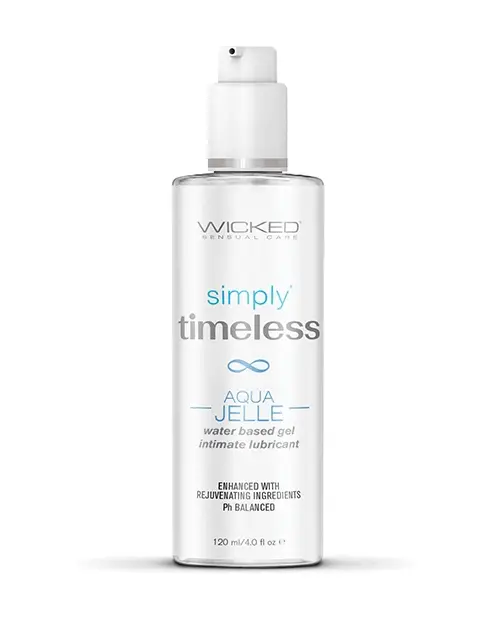
One of the most frequent contributors to pain during sex is vaginal dryness. When natural lubrication decreases, friction increases.
That friction can lead to:
Many women who never needed a lubricant in their younger years discover they benefit greatly from one during menopause. This isn’t a sign of failure. It’s simply a sign that your body has changed. And that’s completely normal.
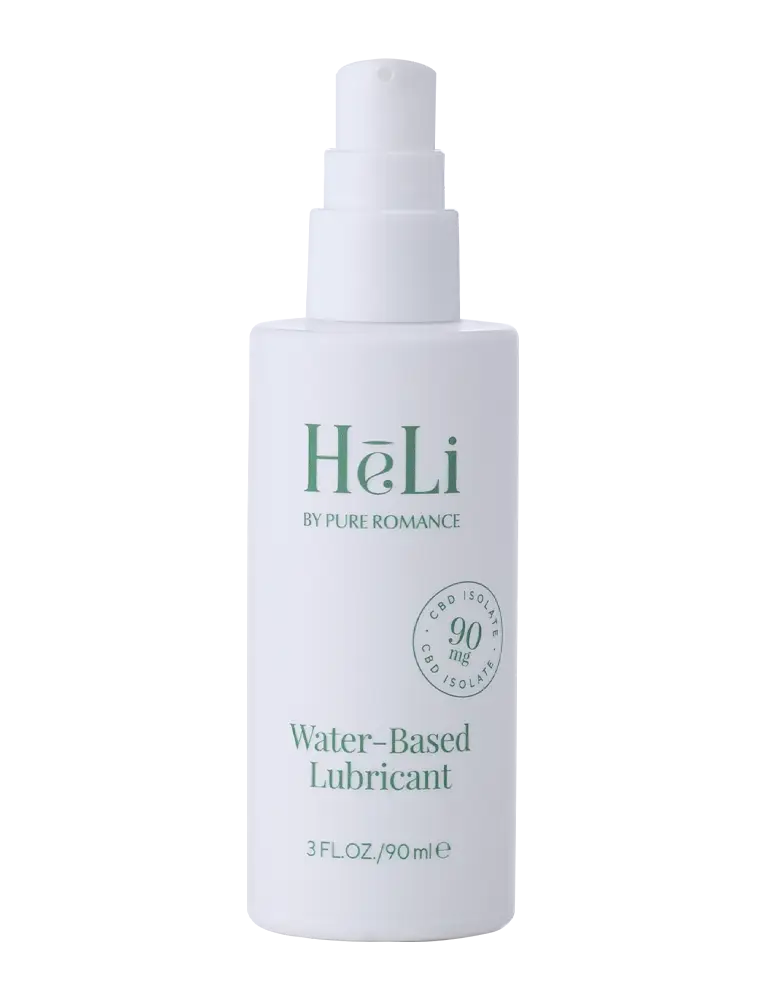
Some women also find that CBD-infused lubricants help improve comfort during intimacy. While research is still evolving, CBD is believed to support relaxation and may help reduce tension and discomfort for some users. Many women report that CBD lubricants enhance comfort, increase blood flow, and help create a more relaxed experience, particularly when dryness or sensitivity has made intimacy less enjoyable. As with any product, results vary from person to person, but CBD lubricants may be worth considering as part of your overall comfort strategy during menopause.
Another factor that often gets overlooked is arousal. As we discussed earlier in this series, many women experience responsive desire during menopause. That means arousal may take longer to develop than it once did. If intimacy begins before the body is fully prepared, discomfort becomes more likely.
Taking time for:
…can make a significant difference in both comfort and enjoyment. Sometimes the solution isn’t doing more. It’s slowing down.
Many women are surprised to learn that pelvic floor muscles play an important role in comfort during intimacy.
When these muscles become overly tight, they can contribute to:
Stress, anxiety, previous painful experiences, and hormonal changes can all contribute to pelvic floor tension. This is one reason pelvic floor therapy has become an increasingly valuable resource for many women.
We’ll explore this topic more deeply in our next article.
While menopause-related changes are common, they’re not the only possible cause of pain during sex.
Other factors may include:
Because multiple factors can contribute, it’s important not to self-diagnose. Persistent pain should always be discussed with a healthcare provider.
Pain affects more than the body. It affects confidence. It affects relationships. And it often affects desire.
When intimacy becomes associated with discomfort, many women naturally begin avoiding it. This creates a difficult cycle: Pain leads to avoidance. Avoidance leads to less intimacy. Less intimacy can create emotional distance. Emotional distance can create relationship stress. The problem quickly becomes much bigger than physical discomfort alone. That’s why addressing pain early is so important.
Many women assume nothing can be done. Fortunately, that’s rarely true.
Potential solutions may include:
The right solution depends on the underlying cause. The important thing is knowing that solutions exist.
Pain during sex can be difficult to discuss. Many women worry about disappointing their partner or creating conflict. However, keeping silent often creates even greater misunderstandings. Most partners would rather understand what’s happening than be left guessing. Honest conversations create opportunities for support, patience, and teamwork. And those qualities are essential when navigating menopause together.
If you’re experiencing pain during sex, please remember this: Common does not mean normal. And normal does not mean unavoidable. You deserve comfort. You deserve answers. And you deserve to enjoy intimacy without pain.
In our next article, we’ll discuss how pelvic floor health affects comfort, confidence, bladder control, and even pleasure during menopause.


Sign up for exclusive deals and promos.
Signup & Get 10 % Off
Sign up to our newsletter and get 10% off on your next purchase