
No products in the cart.

For something people talk about constantly, the G-spot has created an awful lot of confusion over the years. Some women swear it’s the secret to earth-shattering orgasms. Others think it’s basically the adult version of Bigfoot — everybody talks about it, but nobody can quite prove where it lives. And then there are the women quietly wondering if something is wrong with them because they haven’t experienced what everyone else seems to describe online.
Let me reassure you right now: you are not broken.
The reality is that women’s bodies are beautifully complex, and pleasure is not a one-size-fits-all experience. Once you understand what the G-spot actually is — and how hormones, stress, aging, and arousal all affect sensation — the mystery starts to fade.
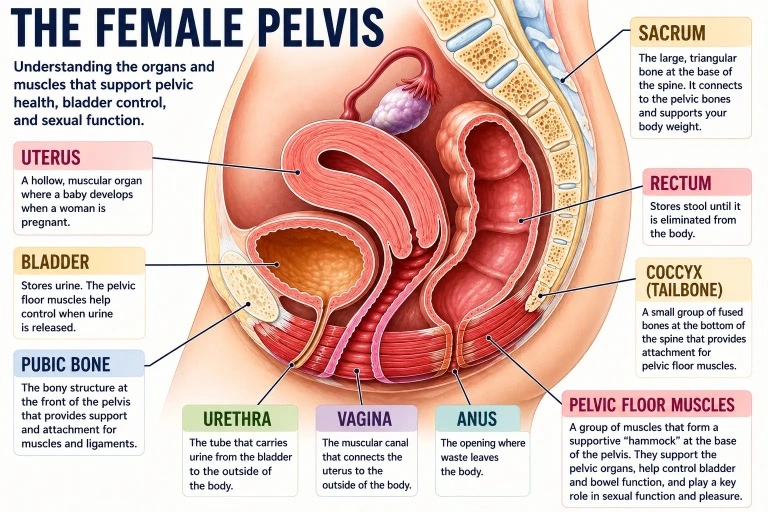
The G-spot is generally described as a sensitive area located a couple of inches inside the vagina on the front wall, toward the belly button side. But researchers now believe it’s not really a separate “button” or hidden organ. Instead, it’s an area where several highly sensitive structures overlap — including internal portions of the clitoris, nerve endings, and tissue surrounding the urethra. In other words, it’s more like a pleasure zone than a tiny magic switch.
That’s why stimulation there often feels different from direct clitoral stimulation. Many women describe it as deeper, fuller, or more pressure-based rather than sharp and localized. And because anatomy varies from woman to woman, experiences vary too.
This is where I think women deserve a lot more honesty. Hormones matter. Stress matters. Fatigue matters.
And for women in peri-menopause and menopause, changing estrogen levels can significantly affect arousal, circulation, natural lubrication, tissue sensitivity, and orgasm intensity. That means your body at 52 may not respond the same way it did at 28 — and that is completely normal.
In fact, many women start blaming themselves when intimacy changes during midlife, when the real issue is that nobody prepared them for how much hormones can influence desire and sensation. Sometimes it’s not that pleasure disappeared. It’s that your body now needs different stimulation, more time, more lubrication, more emotional connection, or simply a slower pace than it did years ago.
The most important thing? Remove the pressure. The G-spot area usually becomes easier to locate when a woman is already aroused because increased blood flow makes the tissue more responsive.
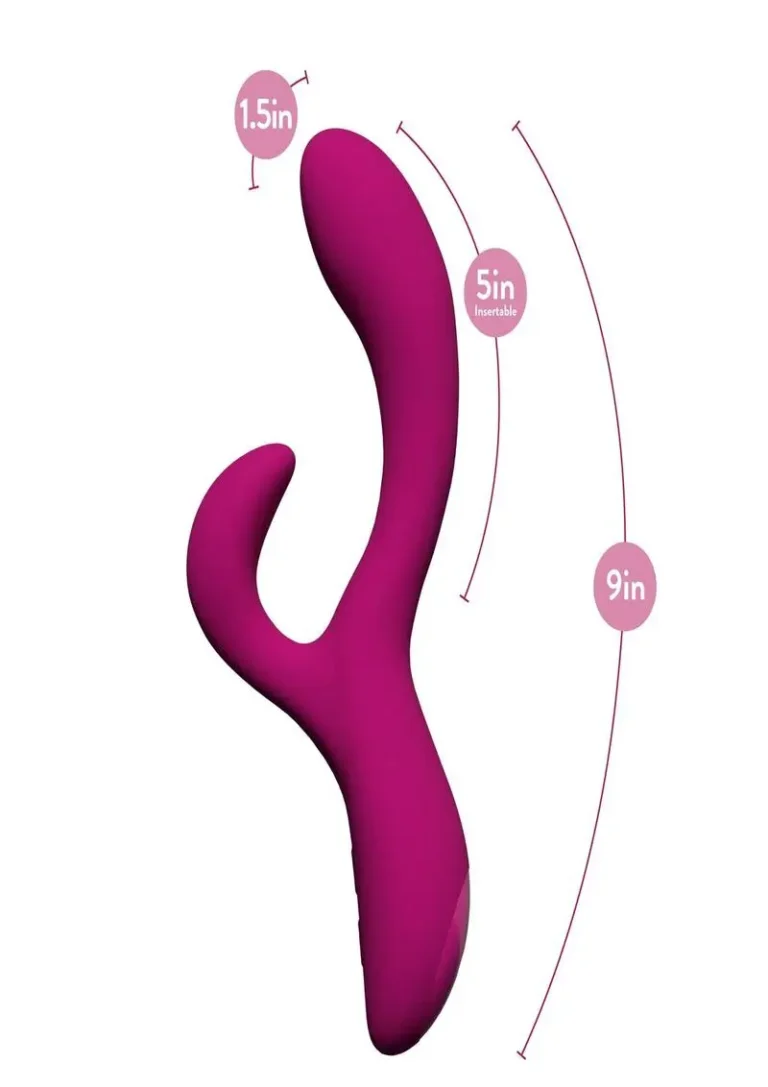
Using fingers or a curved toy designed specifically for G-spot stimulation can help create the right angle. Slow, steady pressure often works better than fast thrusting motions.
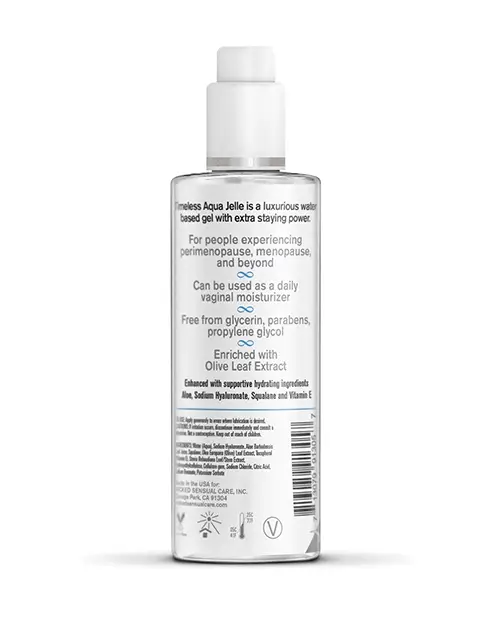
And ladies, lubricant is not optional for many midlife women — it’s a game changer. A quality lubricant can dramatically improve comfort, sensitivity, and overall enjoyment, especially if hormonal changes have caused dryness or irritation.
This is another piece that almost nobody talks about. Your pelvic floor muscles play a huge role in sensation and orgasm quality. If those muscles are overly tight, weak, or stressed, it can affect comfort and responsiveness during intimacy. That’s one reason pelvic floor therapy has become such an important conversation for women in midlife wellness.
Somewhere along the way, women were taught that G-spot orgasms are somehow “better” than clitoral orgasms. They’re not better. They’re just different.
Some women strongly prefer clitoral stimulation, while others enjoy deeper internal sensations. Some enjoy both together. And some women simply enjoy the emotional closeness and connection more than chasing a specific type of orgasm.
All of that is valid. Pleasure is not a competition, and intimacy should never feel like a performance review.
Yes, squirting is real.
No, not every woman experiences it.
And no, it is not the gold medal event of intimacy, despite what social media and adult films sometimes suggest. Bodies respond differently, and there is absolutely no prize for pressuring yourself to have a particular experience.
The G-spot is not about “passing a test” or unlocking some secret level of womanhood. It’s simply one part of a much larger pleasure system.
The real goal is learning your body with curiosity instead of judgment — especially as your body changes during different stages of life. Because intimacy in midlife is not over. In many ways, it can actually become better: more connected, more confident, more intentional, and more emotionally fulfilling than it ever was before.
Sometimes women just need permission to rediscover themselves without shame, pressure, or unrealistic expectations.


Sign up for exclusive deals and promos.
Signup & Get 10 % Off
Sign up to our newsletter and get 10% off on your next purchase
Join our mailing list to receive information,
insider sales & 10% off your first order!